
walkthrough · Classes & Builds
Star Wars Zero Company Classes and Specializations
Understand the eight standard Specializations and the Ultimate, Standard, and Passive ability structure.
Answer first
Quick Answer
Most Operators use one of eight standard Specializations: Assault, Gunslinger, Heavy, Medic, Scoundrel, Scout, Sharpshooter, or Soldier. Each includes an Ultimate, a Standard ability, and a Passive. Choose by the role your squad needs, then judge the complete ability package rather than the class name alone.

On This Page
Quick Answer
Most Operators use one of eight standard Specializations: Assault, Gunslinger, Heavy, Medic, Scoundrel, Scout, Sharpshooter, or Soldier. Each includes an Ultimate, a Standard ability, and a Passive. Choose by the role your squad needs, then judge the complete ability package rather than the class name alone.
Why This Matters
Specialization is the clearest starting point for reading an Operator. It describes the intended role and a three-part ability kit, but it does not remove the importance of equipment, positioning, bonds, and mission context. The key is to make decisions that remain useful after the first successful turn. Zero Company links battlefield choices to roster health, relationships, and preparation at the Den, so a locally strong move can still create a weak campaign position. Use the framework below as a repeatable checklist, then adapt it to the objective and Operators actually available.
Key Takeaways
- Use Assault when the squad needs proactive pressure and a way to take or contest space.
- Evaluate Gunslinger as a flexible damage role whose value depends on maintaining useful attack opportunities.
- Use Heavy when durability, lane control, or sustained pressure matters more than speed.
- Treat Medic as a survival and recovery choice rather than a substitute for safe positioning.
- Use Scout and Sharpshooter to improve information, reach, and controlled target removal.
Step-by-Step Approach
1. Use Assault when the squad needs proactive pressure and a way to take or contest space
Use Assault when the squad needs proactive pressure and a way to take or contest space. Before confirming the choice, check what it costs in movement, actions, position, health, and future roster flexibility. A plan is reliable only when another Operator can continue it if the first action misses or the battlefield changes.
2. Evaluate Gunslinger as a flexible damage role whose value depends on maintaining useful attack opportunities
Evaluate Gunslinger as a flexible damage role whose value depends on maintaining useful attack opportunities. Before confirming the choice, check what it costs in movement, actions, position, health, and future roster flexibility. A plan is reliable only when another Operator can continue it if the first action misses or the battlefield changes.
3. Use Heavy when durability, lane control, or sustained pressure matters more than speed
Use Heavy when durability, lane control, or sustained pressure matters more than speed. Before confirming the choice, check what it costs in movement, actions, position, health, and future roster flexibility. A plan is reliable only when another Operator can continue it if the first action misses or the battlefield changes.
4. Treat Medic as a survival and recovery choice rather than a substitute for safe positioning
Treat Medic as a survival and recovery choice rather than a substitute for safe positioning. Before confirming the choice, check what it costs in movement, actions, position, health, and future roster flexibility. A plan is reliable only when another Operator can continue it if the first action misses or the battlefield changes.
5. Use Scout and Sharpshooter to improve information, reach, and controlled target removal
Use Scout and Sharpshooter to improve information, reach, and controlled target removal. Before confirming the choice, check what it costs in movement, actions, position, health, and future roster flexibility. A plan is reliable only when another Operator can continue it if the first action misses or the battlefield changes.
6. Evaluate Scoundrel and Soldier by the tactical utility and consistency their complete kits provide
Evaluate Scoundrel and Soldier by the tactical utility and consistency their complete kits provide. Before confirming the choice, check what it costs in movement, actions, position, health, and future roster flexibility. A plan is reliable only when another Operator can continue it if the first action misses or the battlefield changes.
Conditions and Comparisons
Use a stable comparison: keep the mission, difficulty, and surrounding squad as similar as possible, then change one Operator, ability, or priority. Compare objective progress, wounds taken, actions lost to repositioning, and how often the intended role produced value. This is more reliable than judging a decision from one damage number or one favorable map.
The official information supports role-based planning, customizable Operators and loadouts, squad bonds, tactical positioning, and campaign consequences. It does not support a universal ranking for every mission. Where this guide discusses a “best” choice, it means the option that completes the current plan with the fewest uncovered risks.
Common Mistakes and Important Notes
- Calling one Specialization best without naming the mission.
- Looking only at the Ultimate and ignoring Passive value.
- Stacking identical roles while leaving a tactical gap.
- Assuming class choice can compensate for poor cover use.
Do not treat launch advice as a permanent patch-specific tier list. Recheck official notes when mechanics change, and separate confirmed system behavior from community preferences. If a tactic depends on an exact numerical threshold not documented by the official sources, test it in the current game before committing campaign resources.
FAQ
How many standard Specializations are there?
EA's official Specializations page lists eight standard options.
How many abilities does each Specialization include?
Each standard Specialization includes an Ultimate, a Standard ability, and a Passive.
Is there a confirmed best class?
No universal best class is supported by the official information used here; role coverage is the safer comparison.
Next Steps
Return to the Star Wars Zero Company portal for the connected squad, class, combat, mission, and progression guides. The related guide list below stays within this game so each answer leads to the next relevant decision.
Quick Start
Most Operators use one of eight standard Specializations: Assault, Gunslinger, Heavy, Medic, Scoundrel, Scout, Sharpshooter, or Soldier. Each includes an Ultimate, a Standard ability, and a Passive. Choose by the role your squad needs, then judge the complete ability package rather than the class name alone.
Area Walkthrough
Priority 1
Use Assault when the squad needs proactive pressure and a way to take or contest space.
Priority 2
Evaluate Gunslinger as a flexible damage role whose value depends on maintaining useful attack opportunities.
Priority 3
Use Heavy when durability, lane control, or sustained pressure matters more than speed.
Priority 4
Treat Medic as a survival and recovery choice rather than a substitute for safe positioning.
Priority 5
Use Scout and Sharpshooter to improve information, reach, and controlled target removal.
Priority 6
Evaluate Scoundrel and Soldier by the tactical utility and consistency their complete kits provide.
Next Area
Return to the Zero Company portal and choose the next connected guide.
How this answer was checked
Sources & Verification
- EA official Star Wars Zero Company pageofficial
- EA official gameplay overviewofficial
- EA official community Q&Aofficial
More verified answers
Related Guides
Best Squad in Star Wars Zero Company
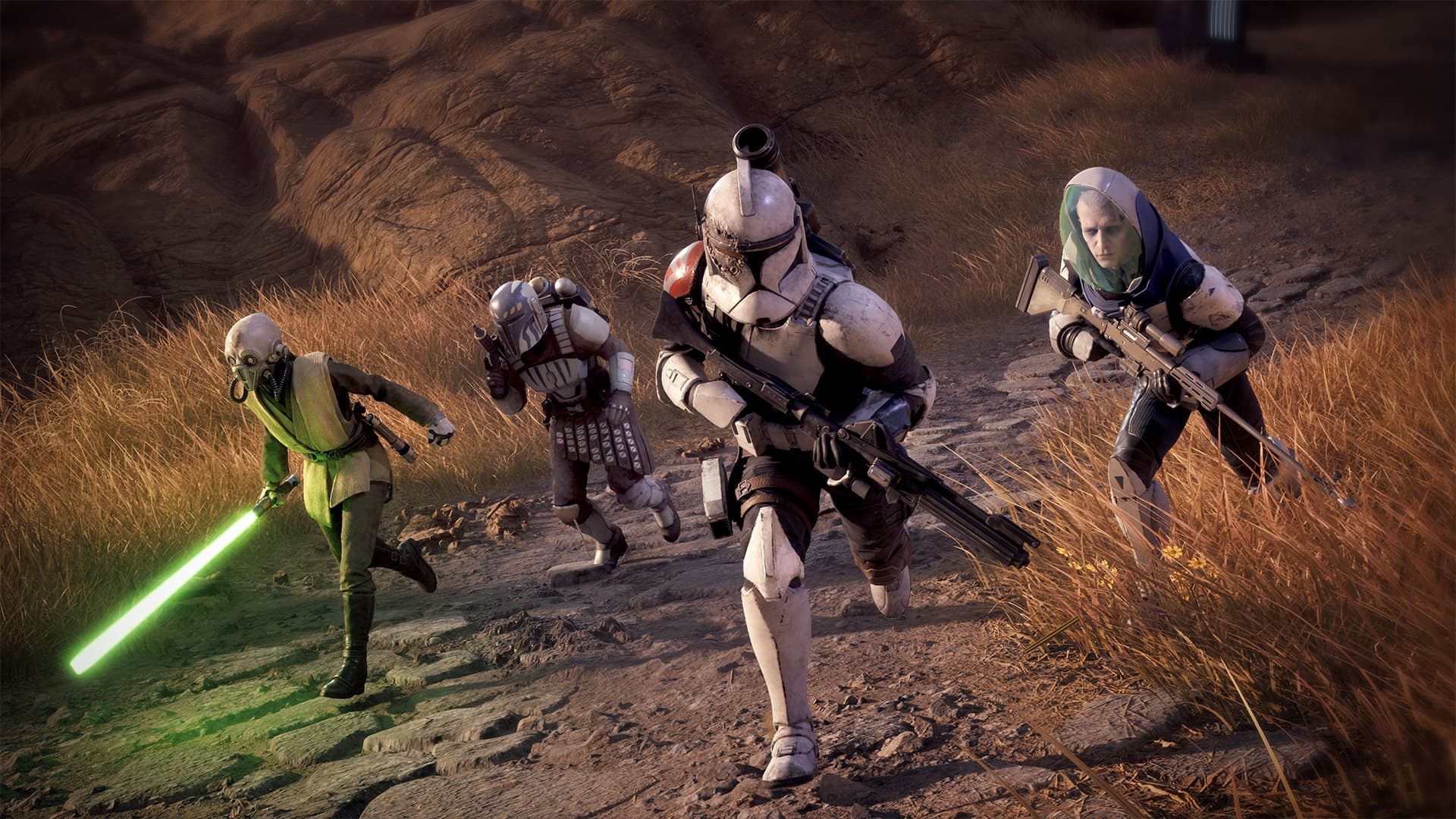
There is no verified universal best squad for every operation. A strong squad covers reliable damage, positional control, sustain or recovery, and objective mobility, then adjusts one slot for the mission. Operator bonds and ability synergies matter as much as individual power.
Verified guide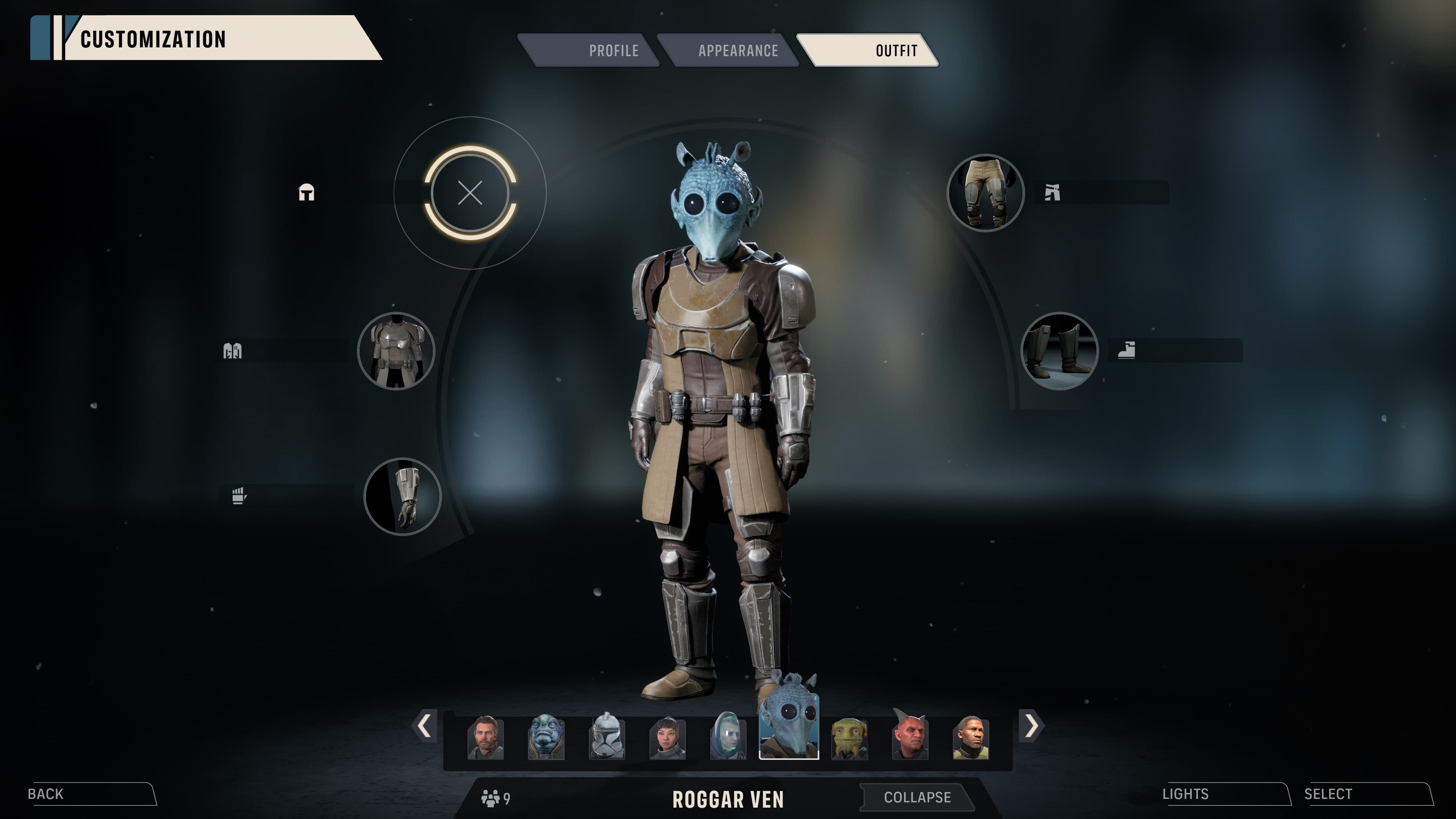
Best Characters in Star Wars Zero Company
The strongest character choice depends on the mission, squad gaps, and campaign state. Compare Operators by Specialization, ability package, range, mobility, recovery, and existing bonds. Favor the character who completes the squad's plan rather than the one with the most dramatic single ability.
Verified guide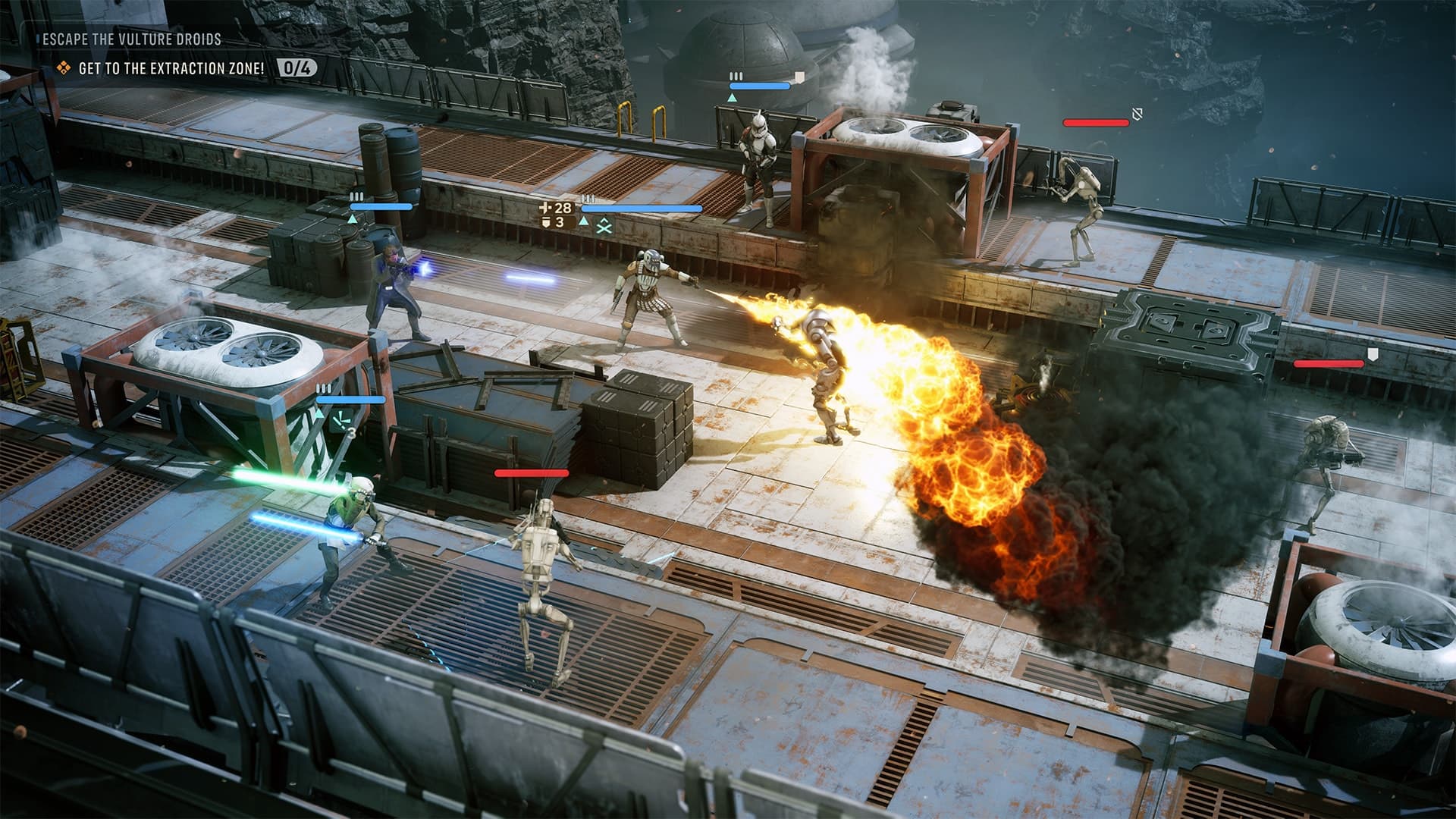
Star Wars Zero Company Combat Guide
Treat cover and actions as resources. Move only as far as needed to gain protection or a better angle, use flanking or high ground to improve attacks, and avoid ending a turn where destructible cover is your only defense. Focus enemies that threaten the squad's plan, not simply the nearest target.
Verified guideStar Wars Zero Company Upgrade Priorities
Upgrade the tools that affect most missions first: the core ability for each Operator's role, reliable survivability, and progression systems that improve squad preparation. Develop Operators together when their bonds support the main lineup, and delay narrow upgrades until a recurring mission problem justifies them.
Verified guide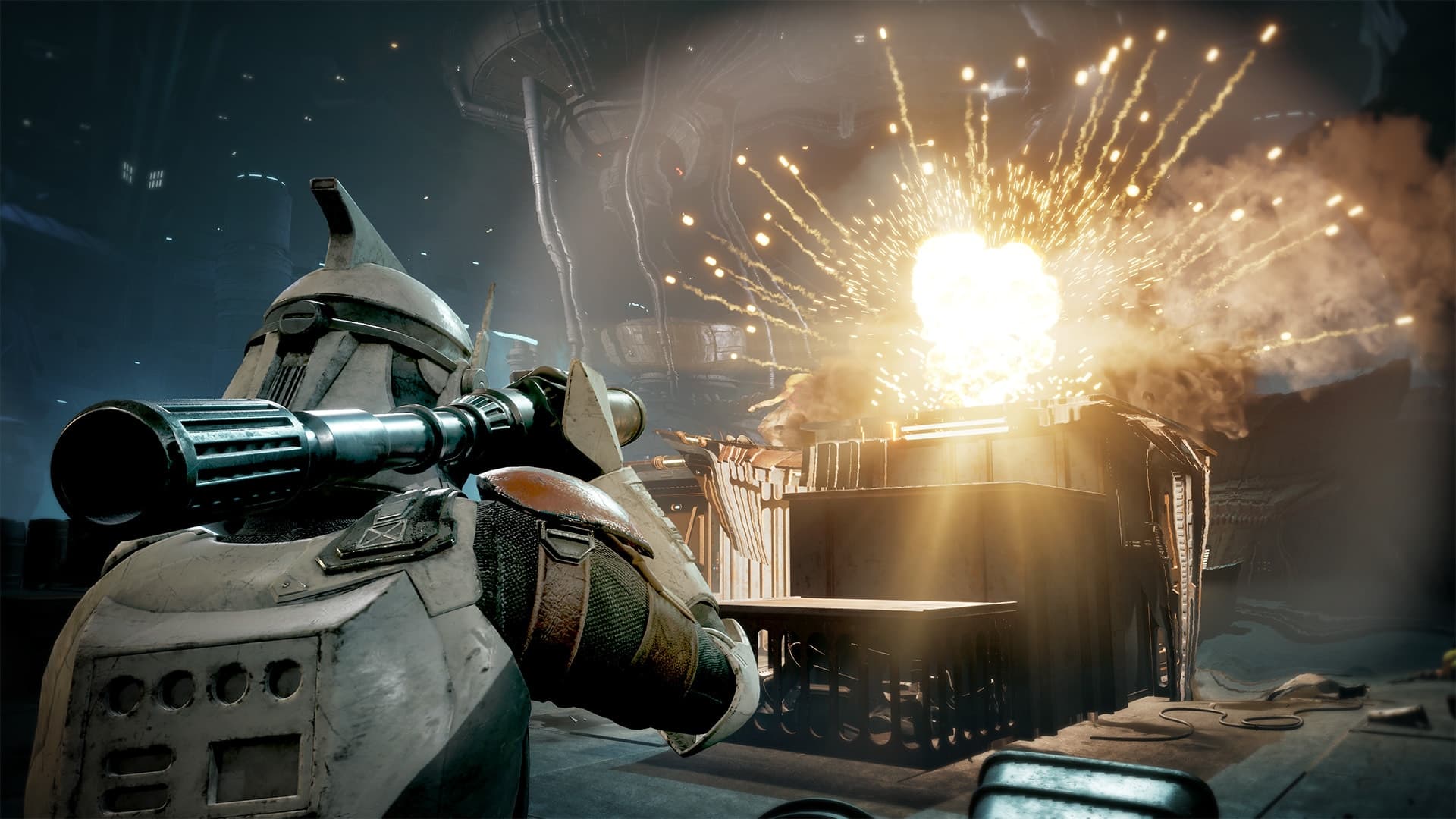
Star Wars Zero Company Beginner Guide
Begin by covering essential squad roles instead of chasing a single strongest Operator. Enter each mission with a plan for cover, movement, recovery, and objective pressure; keep one ability available for emergencies, and develop Operators together so their bonds and combat synergies grow.
Verified guide