
walkthrough · Start Here
Resonance Tips and Tricks
Use reliable habits for combat, puzzle reading, exploration, and progress tracking.
Answer first
Quick Answer
Slow down at information-rich moments. Read the notebook, study enemy timing before committing, use light and the Minoan sphere to reveal clues, and explore short side branches before following the objective marker. Keep collectible notes so progress never depends on memory.
On This Page
Quick Answer
Slow down at information-rich moments. Read the notebook, study enemy timing before committing, use light and the Minoan sphere to reveal clues, and explore short side branches before following the objective marker. Keep collectible notes so progress never depends on memory.
What You Need to Know
Use reliable habits for combat, puzzle reading, exploration, and progress tracking. This page focuses on a reproducible method instead of pretending that every Early Access value, generated layout, chapter route, or collectible location is already stable. Start from what the current game shows, keep a short record of the state you observed, and use the steps below to isolate the next decision.
The most reliable guides distinguish confirmed systems from interpretation. Official material establishes the broad mechanics and setting; it does not automatically prove a precise rate, coordinate, item count, or chapter sequence. When a specific fact remains uncertain, the guide says so and gives you a safe way to verify it in your own build without risking unrelated progress.
Step-by-Step
1. Separate observation from action in every puzzle.
Separate observation from action in every puzzle. Use the current game interface and the visible environment as the authoritative evidence. Make one change at a time, observe the result, and keep the setup reversible until the behavior is confirmed. This avoids turning an uncertain assumption into a larger routing or progression problem.
2. Practice one parry pattern at a time.
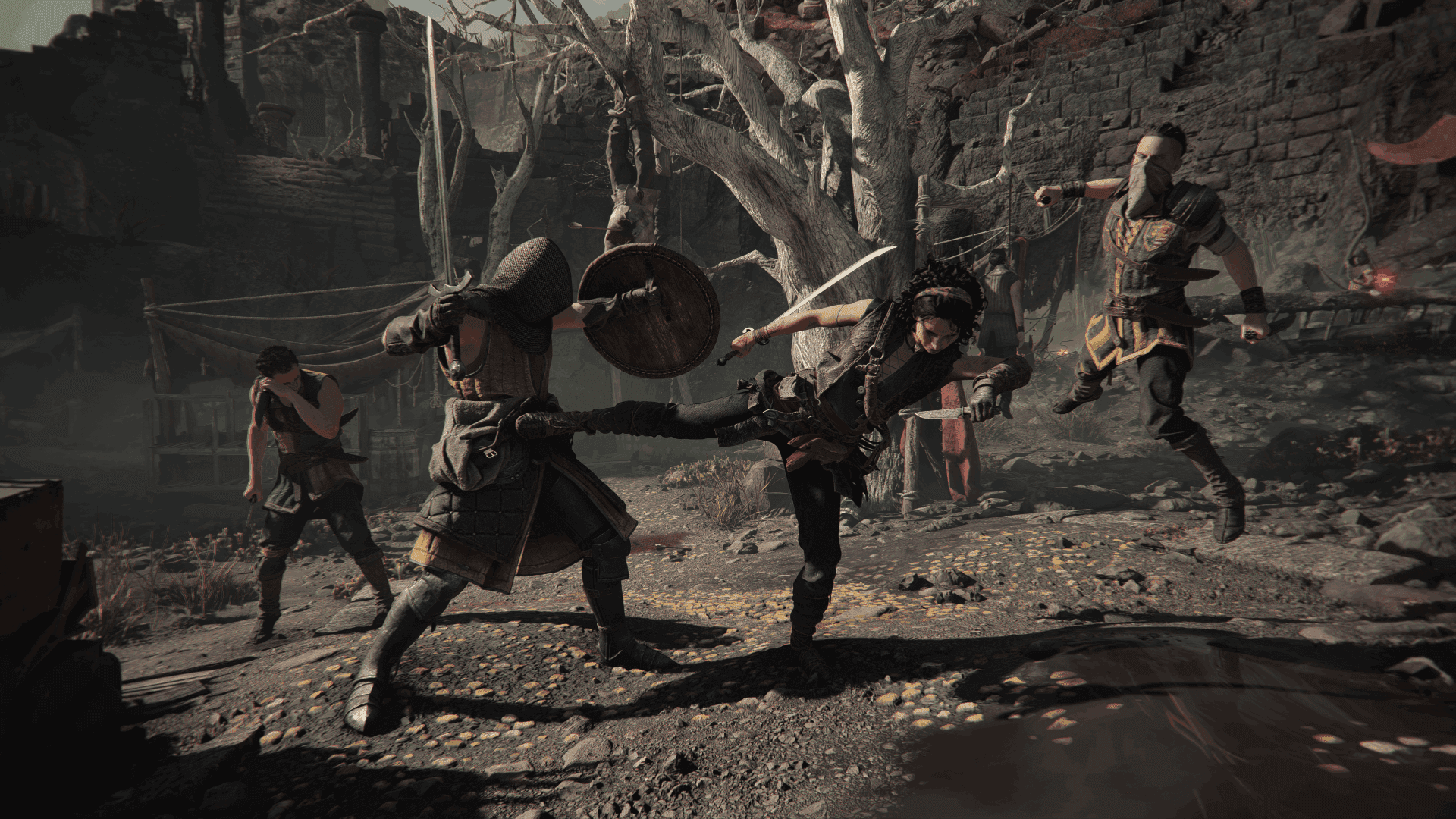
Practice one parry pattern at a time. Use the current game interface and the visible environment as the authoritative evidence. Make one change at a time, observe the result, and keep the setup reversible until the behavior is confirmed. This avoids turning an uncertain assumption into a larger routing or progression problem.
3. Use cover, movement, and spacing before trading damage.
Use cover, movement, and spacing before trading damage. Use the current game interface and the visible environment as the authoritative evidence. Make one change at a time, observe the result, and keep the setup reversible until the behavior is confirmed. This avoids turning an uncertain assumption into a larger routing or progression problem.
4. Check behind the main route at strong visual landmarks.
Check behind the main route at strong visual landmarks. Use the current game interface and the visible environment as the authoritative evidence. Make one change at a time, observe the result, and keep the setup reversible until the behavior is confirmed. This avoids turning an uncertain assumption into a larger routing or progression problem.
5. Record pickups immediately.
Record pickups immediately. Use the current game interface and the visible environment as the authoritative evidence. Make one change at a time, observe the result, and keep the setup reversible until the behavior is confirmed. This avoids turning an uncertain assumption into a larger routing or progression problem.
How to Verify the Result
Stop after the smallest successful test and check the visible result against the objective, interface, inventory, collection menu, or material flow relevant to this page. If the state persists after a checkpoint, reload, or normal production cycle, record it as confirmed for your current version. If it changes, keep the version-sensitive detail out of the permanent layout or route until you understand why.
This verification step matters because a plausible result can still be temporary. A machine may work only while a buffer has spare capacity; a route may remain open only before a transition; an item may appear during an encounter without becoming a permanent pickup. Confirm the lasting state, not just the first animation.
Common Mistakes
- Mashing parry instead of learning timing. Correct it by returning to the last verified state, checking the current objective or interface, and retesting one variable.
- Ignoring the notebook after dialogue updates it. Correct it by returning to the last verified state, checking the current objective or interface, and retesting one variable.
- Exploring without remembering the main route. Correct it by returning to the last verified state, checking the current objective or interface, and retesting one variable.
Practical Tips
- Keep the last known-good state easy to restore.
- Prefer visible landmarks, named interfaces, and observed material paths over vague memory.
- Change one variable at a time when troubleshooting.
- Recheck the current game version before using exact external values.
- Follow the related guides for the next connected system instead of mixing advice from another game.
FAQ
Are the exact values or locations verified?
Only details supported by the listed sources are presented as facts. Version-sensitive numbers, fixed coordinates, and unverified requirements are intentionally omitted until they can be reproduced.
What should I do if the current game differs from this guide?
Check the current build, patch notes, objective, and in-game interface first. Record the difference and use the guide's diagnostic method rather than forcing an outdated value or route.
Where should I go next?
Return to the Resonance: A Plague Tale Legacy hub and choose one of the related guides below. They preserve the same verification-first approach and stay within this game.
Next Steps
Continue with the related guides selected for this topic. They stay inside Resonance: A Plague Tale Legacy, reuse the same terminology, and prioritize explicit links over unrelated recommendations.
Quick Start
Slow down at information-rich moments. Read the notebook, study enemy timing before committing, use light and the Minoan sphere to reveal clues, and explore short side branches before following the objective marker. Keep collectible notes so progress never depends on memory.
Area Walkthrough
Step 1
Separate observation from action in every puzzle.
Step 2
Practice one parry pattern at a time.
Step 3
Use cover, movement, and spacing before trading damage.
Step 4
Check behind the main route at strong visual landmarks.
Step 5
Record pickups immediately.
Next Area
Return to the Resonance: A Plague Tale Legacy portal and choose the next connected guide.
How this answer was checked
Sources & Verification
More verified answers
Related Guides
Resonance Chapter Guide Hub
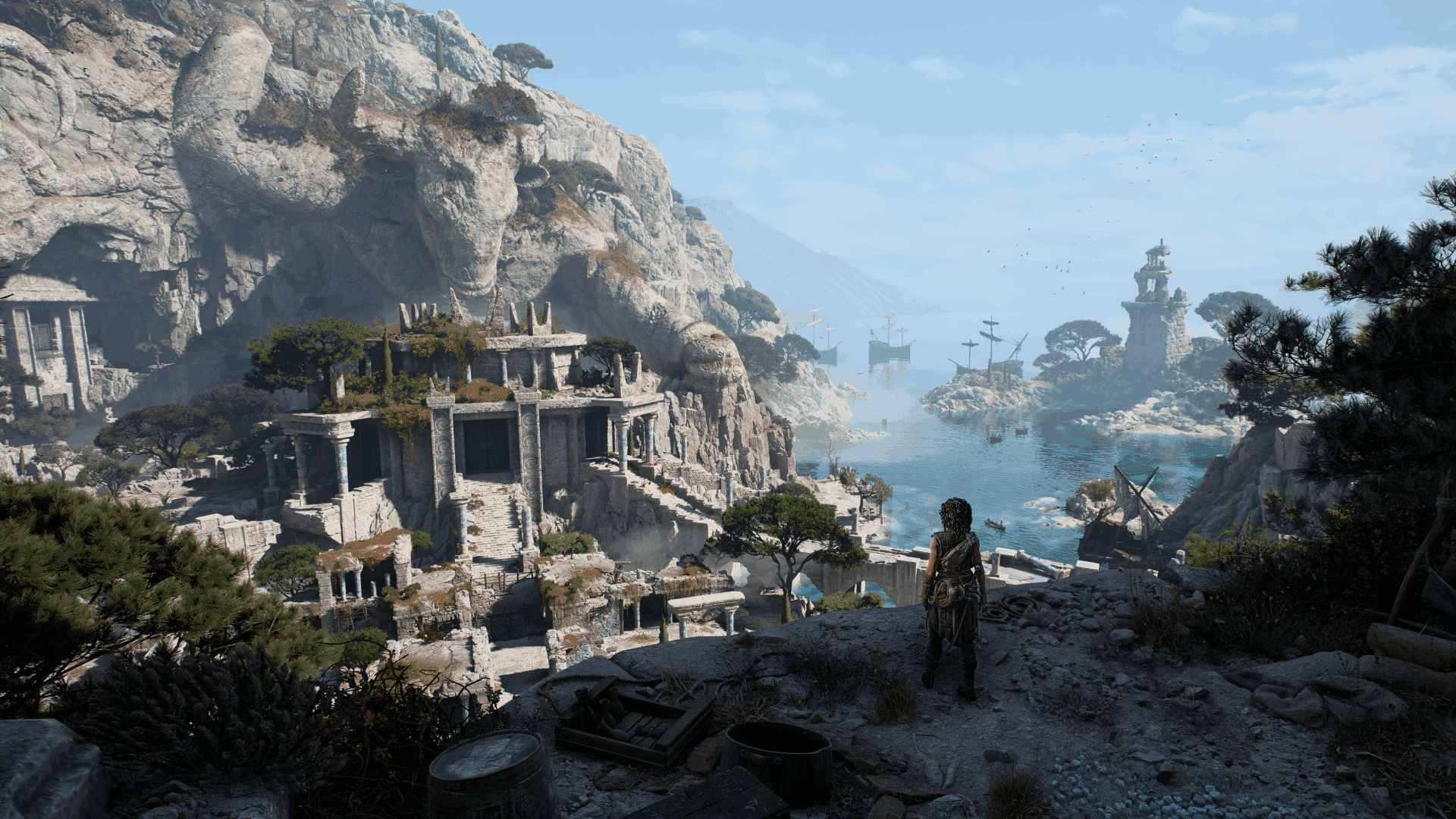
Track each chapter by its in-game title, starting objective, major landmark, puzzle gate, collectibles found, and exit point. KoalaFun does not create guessed chapter names; individual chapter pages should be published only after the live route is verified.
Verified guideResonance Puzzle Solutions
Start with the notebook and the visible environment. Use the Minoan sphere to reveal light-dependent markings, record the order or relationship of symbols, then test one input at a time. If the puzzle resets, use that feedback to isolate the incorrect step instead of changing everything.
Verified guide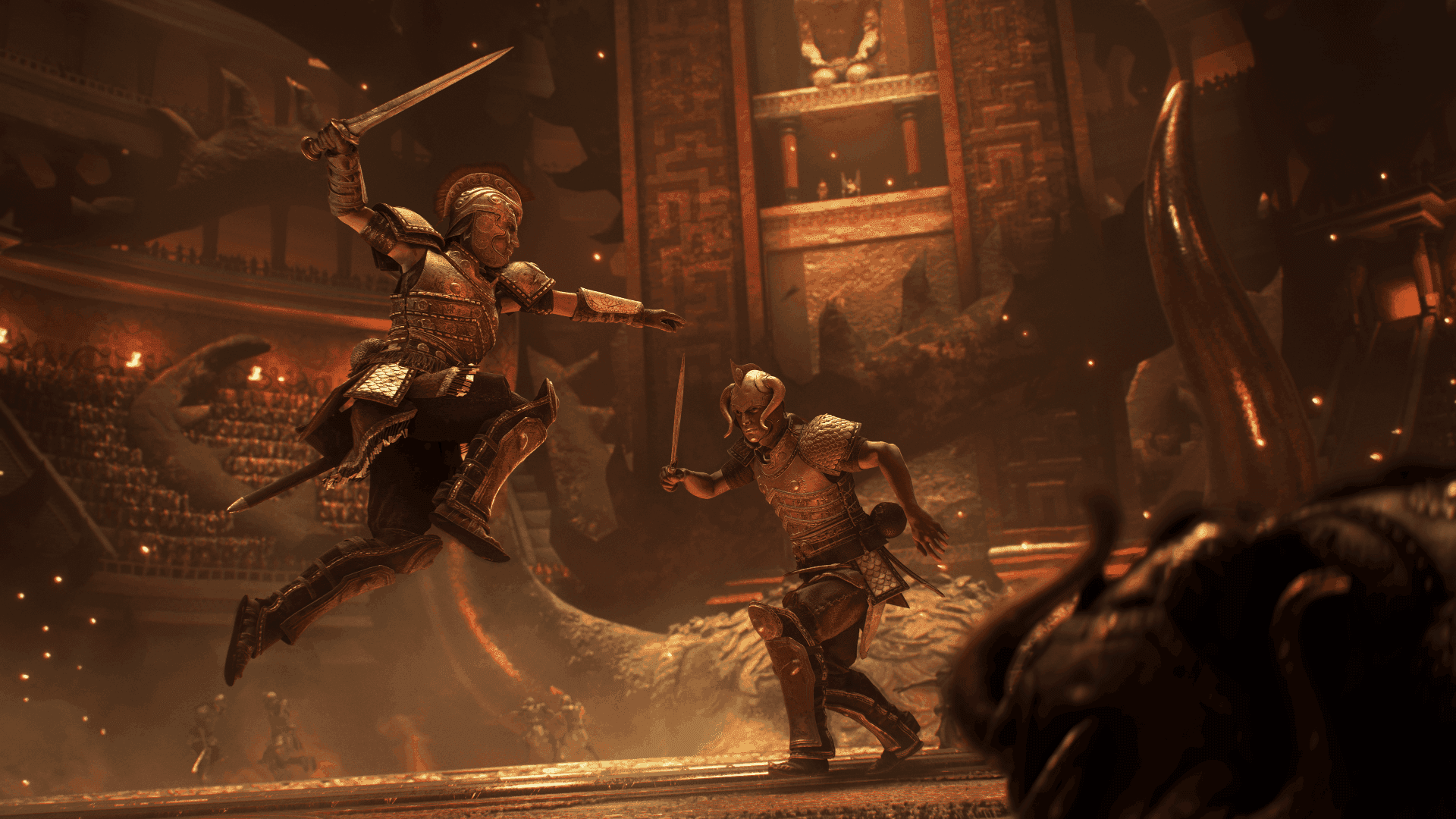
Resonance All Collectibles
Use a chapter-by-chapter checklist for relics, charms, blades, weapons, and any additional collection categories shown in the live game. Record the exact displayed name and nearby landmark immediately; do not rely on memory after crossing a transition.
Verified guide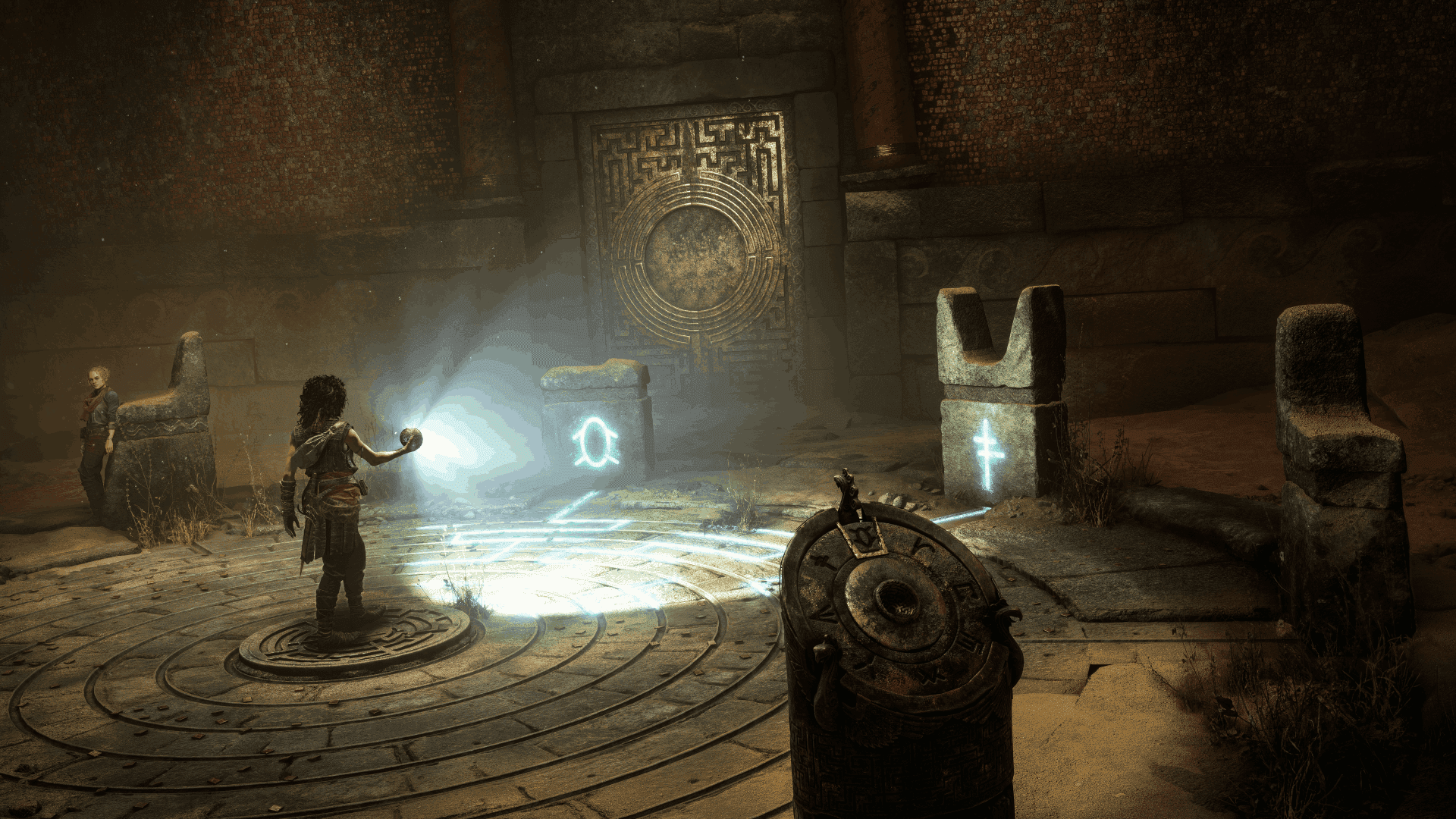
Resonance Blade Locations
Verify whether a blade is a permanent item, temporary encounter tool, or tracked collectible before listing it. Record the pickup prompt, chapter, landmark, and any condition that makes it available. Exact locations remain pending live verification.
Verified guideResonance Charm Locations
For each charm, record its exact menu name, chapter, nearest landmark, and the branch where the main route and side path separate. Until a complete live sweep is verified, this page provides the tracking method rather than an unsupported total.
Verified guide